
Apple finally combined a toaster and a refrigerator
🇺🇸 Estados Unidos · Tecnología · hace 2 h · Fuente: The Verge

Report Gadgets Tech Apple finally combined a toaster and a refrigerator Apple spent more than 15 years resisting a touchscreen MacBook, until now.
Apple spent more than 15 years resisting a touchscreen MacBook, until now.
Tom Warren Oct 29, 2026, 1:21 PM UTC Link Share Gift Image: Apple Tom Warren is a senior correspondent and author of Notepad , who has been covering all things Microsoft, PC, and tech for over 20 years. For more than 15 years, Apple has had a pretty simple answer to the idea of a touchscreen MacBook: no. Yesterday, Apple finally decided to think different and announce one anyway . “You’ve gotta touch it to believe it,” says Apple CEO John Ternus. He might be right: I haven’t yet touched it, and I still can’t quite believe it.
Steve Jobs first called touchscreen laptops “ergonomically terrible” in 2010, arguing that “touch surfaces don’t want to be vertical” and that using one for an extended period of time makes “your arm want to fall off.” He wasn’t wrong about the fatigue aspect of using a touchscreen laptop for long periods of time, but he missed the hybrid laptop opportunity Apple is now exploring.
Apple’s resistance to touchscreen Macs has been surprisingly consistent ever since Jobs’ comments. Tim Cook famously called Microsoft’s idea of hybrid laptops and tablets a compromise. “Anything can be forced to converge,” Cook said in 2012 . “You can converge a toaster and a refrigerator, but those things are probably not going to be pleasing to the user.”
Craig Federighi, Apple’s software chief, described the Mac as a “sit-down experience” in a CNET interview in 2014 and proclaimed that a MacBook wasn’t “the right interface” for a touchscreen. “We’re not all that interested in building one,” he said. Four years later, he doubled down , arguing that “lifting your arm up to poke a screen is a pretty fatiguing thing to do.”
So what’s changed to make Apple reconsider touch on a MacBook? In a Wired interview , Apple’s marketing chief Greg Joswiak admitted that touch was long overdue on the Mac. “There’s a generation of young creators and young people using our MacBook Pros that expect to touch,” he said.
But most young people won’t be in a position to buy Apple’s most expensive MacBook Pro, especially with prices starting at $2,899, nearly $1,000 more than the regular MacBook Pro. Joswiak’s comment suggests that Apple could eventually bring touchscreens to more of its MacBook lineup.
Apple typically waits for hardware to mature enough before it enters a market, allowing the company to present its own version as the more refined one, superior to the alternatives. Apple appears to be doing some of that with the OLED touchscreen on the MacBook Pro. The company told Wired reporter Steven Levy that it had redesigned the hinge on the MacBook Pro screen to stabilize it and prevent wobble. It looks reasonably sturdy, though demos from yesterday show that Apple hasn’t removed the wobble completely .
Apple has also done plenty of software work to make touch feel more at home on this MacBook Pro. The menu bar has been redesigned for touch, expanding to let you select items more easily. The traffic-light buttons that let you close and minimize windows get bigger when you try to touch them, although it could take some getting used to for some.
There are also a bunch of gestures you can use on the touch display, like swiping between pages or spaces, accessing Mission Control or App Exposé, or swiping to get to the Notification Center. They’re all very similar to what you can do with the trackpad, though.
Apple hasn’t tried to reinvent the wheel here like Windows 8, or create a Yoga-style folding laptop. It’s added the touchscreen support that pro users have been demanding for years. That seems fine because touchscreens didn’t exactly revolutionize laptops in quite the way people maybe expected a decade ago.
I rarely use touchscreens on a clamshell laptop, reaching out occasionally to swipe away notifications and pinching to zoom into photos and maps. I use touch a lot more on a device like the Surface Pro, whose form factor is very different from the MacBook Pro’s.
The most interesting software addition on the touchscreen MacBook Pro is the Dynamic Island, which originally debuted on the iPhone 14 Pro four years ago. On this touchscreen MacBook Pro, you can tap it to access quick controls, and changes to brightness or volume levels will also appear on the Dynamic Island.
Apple has been cautiously adding some iPadOS features to macOS in recent years, including Stage Manager, Control Center, and even support for iPad apps on Mac. Porting across the Dynamic Island from iOS makes a lot of sense, and it could open the door to more convergence of macOS, iOS, and iPadOS over the coming years.
Apple will now need to lean on developers to support touch in their apps on macOS, something that proved tricky for the company’s previous touchscreen MacBook effort. A decade ago, almost to the day, Apple announced the Touch Bar , calling it “revolutionary.” The touchscreen strip replaced the MacBook Pro’s function keys in 2016, but it never caught on, frustrating users with inconsistent app support before Apple finally scrapped it seven years later in 2023.
I’d expect it will be a different situation this time around, though, particularly as app developers have gotten used to the idea of touchscreens on Windows for more than a decade now. Apple has also enabled the basics like scrolling and pinch to zoom, so there might not be a huge need for developers to add much to their apps.
Speaking of Windows, I’m sure there are plenty inside Microsoft who will feel vindicated by Apple’s touchscreen decision. Cook’s comment about a toaster-refrigerator certainly caught the attention of Microsoft’s Windows and Surface teams. Former Windows chief Terry Myerson even surprised former Surface chief Panos Panay with a 3D rendering of a toaster and a refrigerator during the introduction of the Surface Pro 4 in 2015.
Apple spent years dismissing the idea of a touchscreen Mac while Microsoft spent years trying to make touch work on laptops. Windows Vista first got some limited touch support 20 years ago, before Microsoft expanded on this with full multitouch support in Windows 7 and a massive effort to overhaul Windows 8 for touchscreens and hybrid laptops and tablets.
Windows 8 definitely went too far, but the Surface Pro helped prove that touch could be useful on a PC, and even forced Apple to rethink its iPads . Apple is now finally catching up, but the more interesting question is where it goes next. Apple has spent years insisting its Mac and iPad experiences are separate. With touch finally coming to the MacBook, it’ll be fascinating to see whether Apple starts bringing those platforms closer together, or maintains they’re better off apart.
Tom Warren Apple Gadgets Laptops Report Tech Most Popular Most Popular Hands-on with Apple’s touchscreen MacBook Pro All the news from Apple’s ‘Pro and tell’ event Apple announces its first touchscreen MacBook Pro Touchscreen MacBook live blog: On the ground at Apple’s launch event Hands-on with the new OLED iPad Mini Advertiser Content From This is the title for the native ad
Fuente: The Verge
1 fuentes están cubriendo esta historia
También está pasando
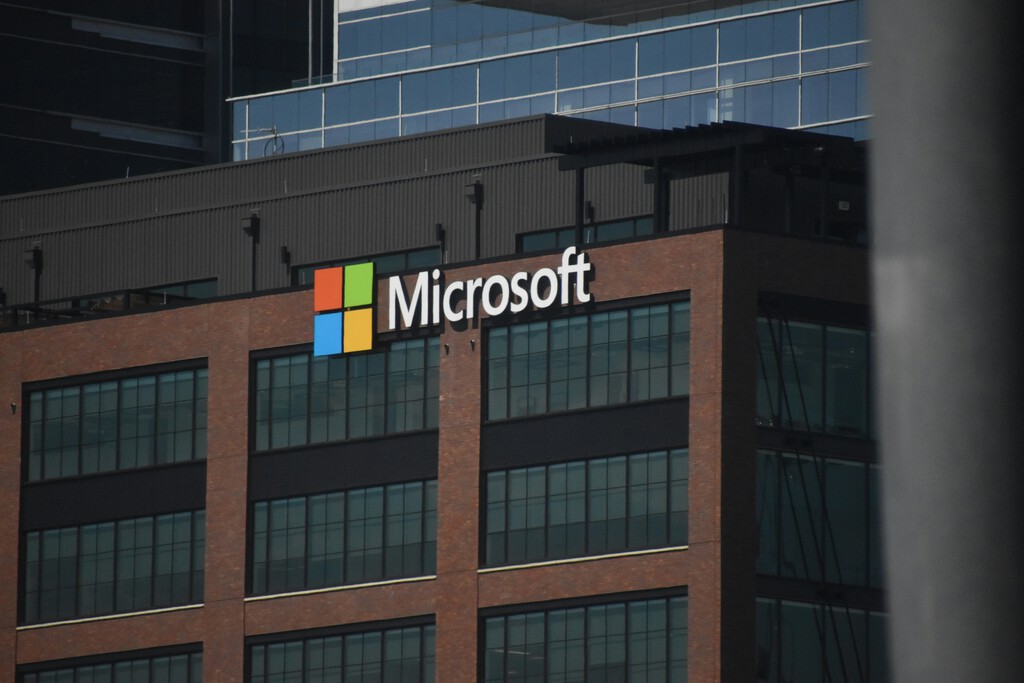
OpenAI ya supone el 11% de los ingresos de Microsoft. Y eso es una buena y una mala noticia
Neste Oyj aprueba su nueva política de dividendos - MarketScreener España
'No going back': World Jewish Congress chief Ronald Lauder abandons Netanyahu's Israel - Middle East Eye

Resumen propio de La Primera en Línea con enlace al medio original. Los derechos del artículo completo y de las imágenes pertenecen a su fuente. Enlace de esta noticia